Destination
Abu Simbel
Explore Abu Simbel with practical planning notes, local context and the sights that make this stop worth adding to a wider Egypt itinerary.
Quick answer
Integrate Abu Simbel as a crucial extension for Egypt programs focused on ancient history, typically as a one-day return trip from Aswan or an overnight stay to experience the temples at sunrise/sunset, enhancing the 'Pharaohs & Temples' narrative.
Key facts
- Location: Southern Egypt, on Lake Nasser's western bank, near the Sudanese border.
- Nearest Airport/Access: Abu Simbel Airport (ABS), accessible via daily flights from Aswan (ASW). Road access from Aswan is also common via escorted convoys.
- Suggested Nights: 0-1 night. Most visit as a day trip from Aswan; an overnight stay allows for sunrise/sunset temple views.
- Best Season: October to April offers cooler, more pleasant weather for exploration.
- Key Sights: Great Temple of Ramesses II and the Small Temple of Nefertari.
Role of Abu Simbel in an Egypt Program
Abu Simbel, a UNESCO World Heritage site, is a cornerstone for any comprehensive Egypt itinerary, particularly for clients seeking to delve into the grandeur of ancient Pharaonic civilization beyond the well-trodden paths of Cairo and Luxor. It serves as a powerful extension to Nile cruise itineraries departing from Aswan, offering a dramatic climax to a historical journey. The scale and preservation of its temples, famously relocated to save them from the rising waters of Lake Nasser, provide an unparalleled testament to ancient Egyptian engineering and artistic prowess. Including Abu Simbel elevates a standard Egypt tour into a premium experience, ideal for programs like our Pharaohs & Temples itinerary.
Priority Sights
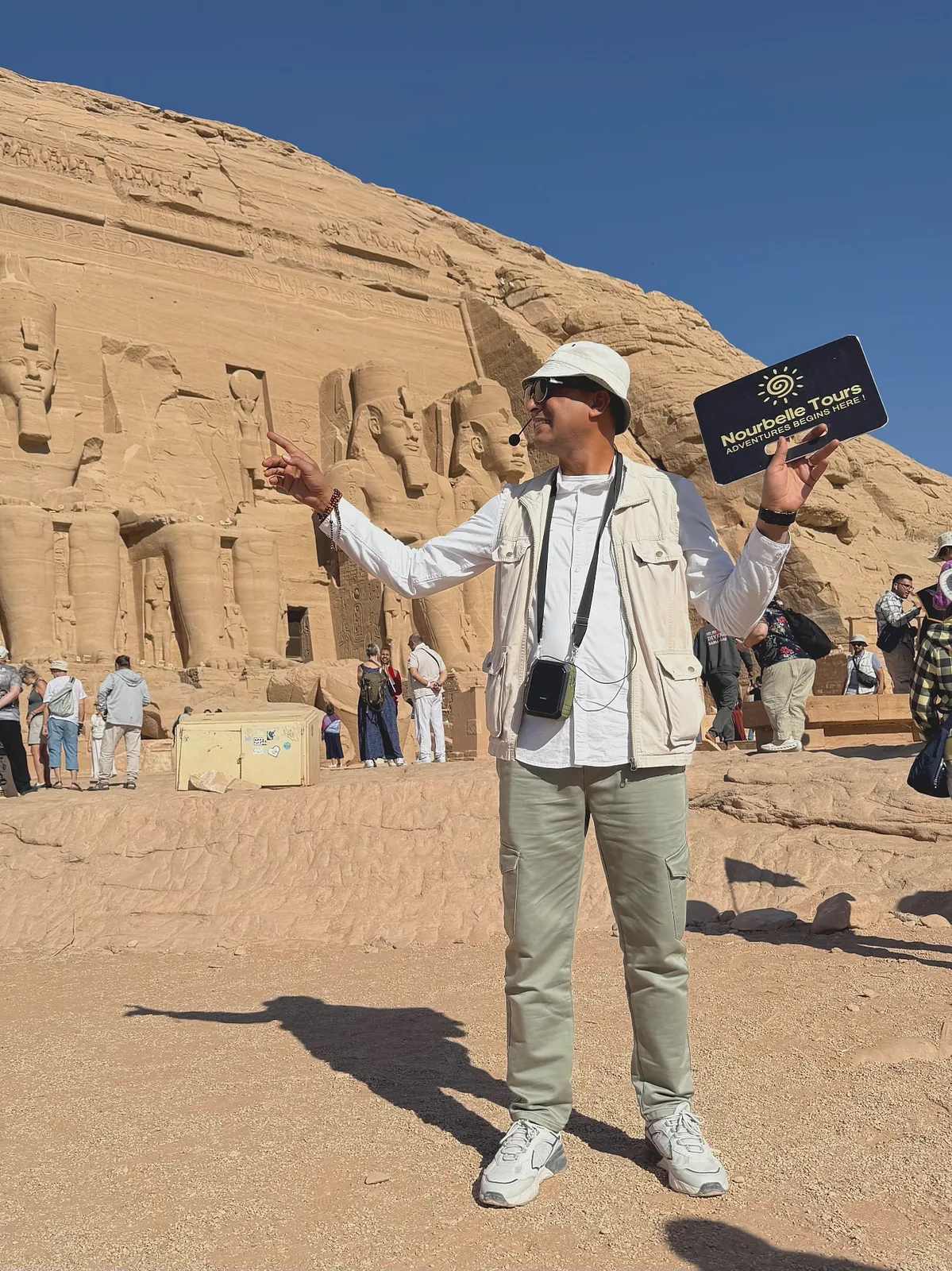
- Great Temple of Ramesses II: Dominating the site, this temple features four colossal statues of Ramesses II guarding its entrance. The intricate reliefs within depict his military victories, particularly the Battle of Kadesh.
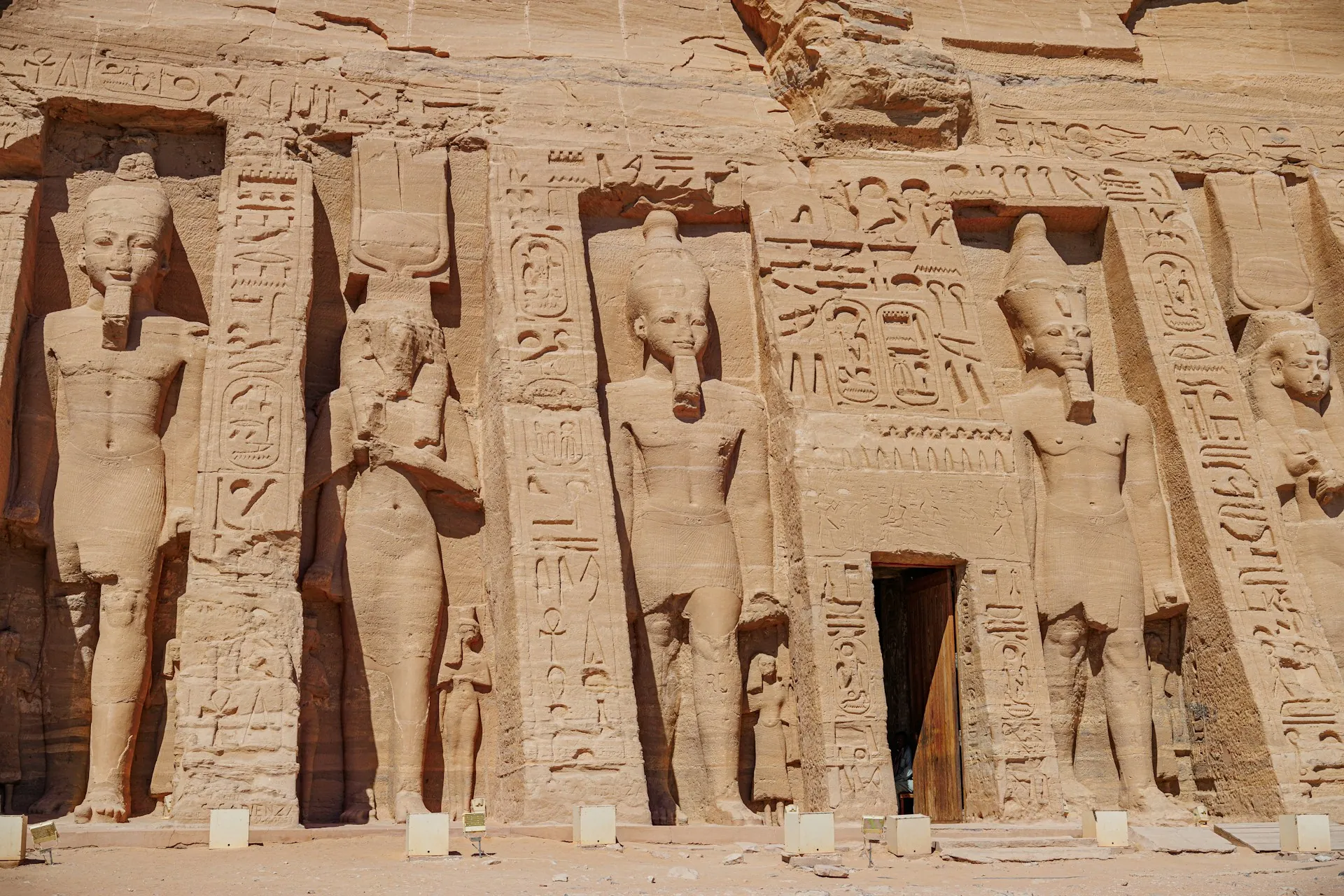
- Small Temple of Nefertari: Dedicated to Ramesses II's chief consort, Queen Nefertari, and the goddess Hathor. Its facade is adorned with six statues, four of Ramesses II and two of Nefertari, all of equal height, signifying her importance.
- Lake Nasser: The vast reservoir formed by the Aswan High Dam provides a stunning backdrop to the temples, underscoring the monumental relocation effort.
- Sound and Light Show: An evening option that illuminates the temples and narrates their history and the incredible rescue operation.
Suggested Allocation and Seasonality
For most programs, Abu Simbel is best experienced as an early morning half-day or full-day excursion from Aswan, involving either a short flight or a road transfer via an escorted convoy. For clients desiring a more immersive experience, an overnight stay in Abu Simbel allows for witnessing the temples at both sunset and sunrise, offering unique photographic opportunities and a more serene visit before or after the main tour groups. This option integrates seamlessly into extended programs such as Grand Egypt by Dahabiya or our Luxury Dahabiya & Abu Simbel offering. The optimal season for visiting is from October to April, when temperatures are milder and more conducive to exploring the outdoor site. Summer months (May to September) are considerably hotter, though early morning visits are still feasible.
Operations Notes for Groups
Logistics for groups traveling to Abu Simbel are well-established. Road transfers from Aswan typically operate in escorted convoys, departing very early in the morning, which is a key consideration for client comfort and timing. Flights are generally preferred for higher-end or time-constrained itineraries, though these often require transfers via Aswan International Airport. Nourbelle DMC coordinates all ground logistics, including transfers, licensed guides, and entry permits. Due to the remote location, ensuring an adequate supply of water and snacks, especially during road trips, is important. Group movement inside the temples is managed to ensure a quality experience while respecting historical preservation guidelines. We recommend advising clients about the early starts and sun exposure.
FAQs
[ { "question": "Is it better to fly or drive to Abu Simbel from Aswan?", "answer": "Flying offers convenience and saves time, while driving is more budget-friendly and allows for scenic desert views. Both options are common and offer reliable access." }, { "question": "Can Abu Simbel be visited as a day trip from a Nile cruise?", "answer": "Yes, it's frequently offered as an optional excursion from Aswan, typically involving an early morning departure by flight or road, returning to the cruise ship by midday or early afternoon." }, { "question": "What are the benefits of an overnight stay in Abu Simbel?", "answer": "An overnight stay allows guests to experience the temples at sunset and sunrise, offering unique photo opportunities and a less crowded atmosphere, as well as attending the evening Sound and Light show." }, { "question": "What documentation is needed for the Abu Simbel visit?", "answer": "Standard entry tickets are required for the temples. For road transfers, passports are typically checked at a checkpoint along the route, so clients should carry them." } ]