Destination
Kom Ombo
Explore Kom Ombo with practical planning notes, local context and the sights that make this stop worth adding to a wider Egypt itinerary.
Quick answer
Kom Ombo, with its unique dual temple, is best integrated as a scheduled stop during a Nile River cruise, offering an essential cultural interlude between Luxor and Aswan for a comprehensive Egypt itinerary.
Key facts
- Location: On the east bank of the Nile, 48 km north of Aswan
- Nearest Airport/Access: Aswan International Airport (ASW); primarily accessed via Nile cruise.
- Suggested Nights: Typically a day stop, no overnight stay required.
- Best Season: October to April for mild weather.
- Key Sights: Temple of Kom Ombo, Crocodile Museum
Role in a Program
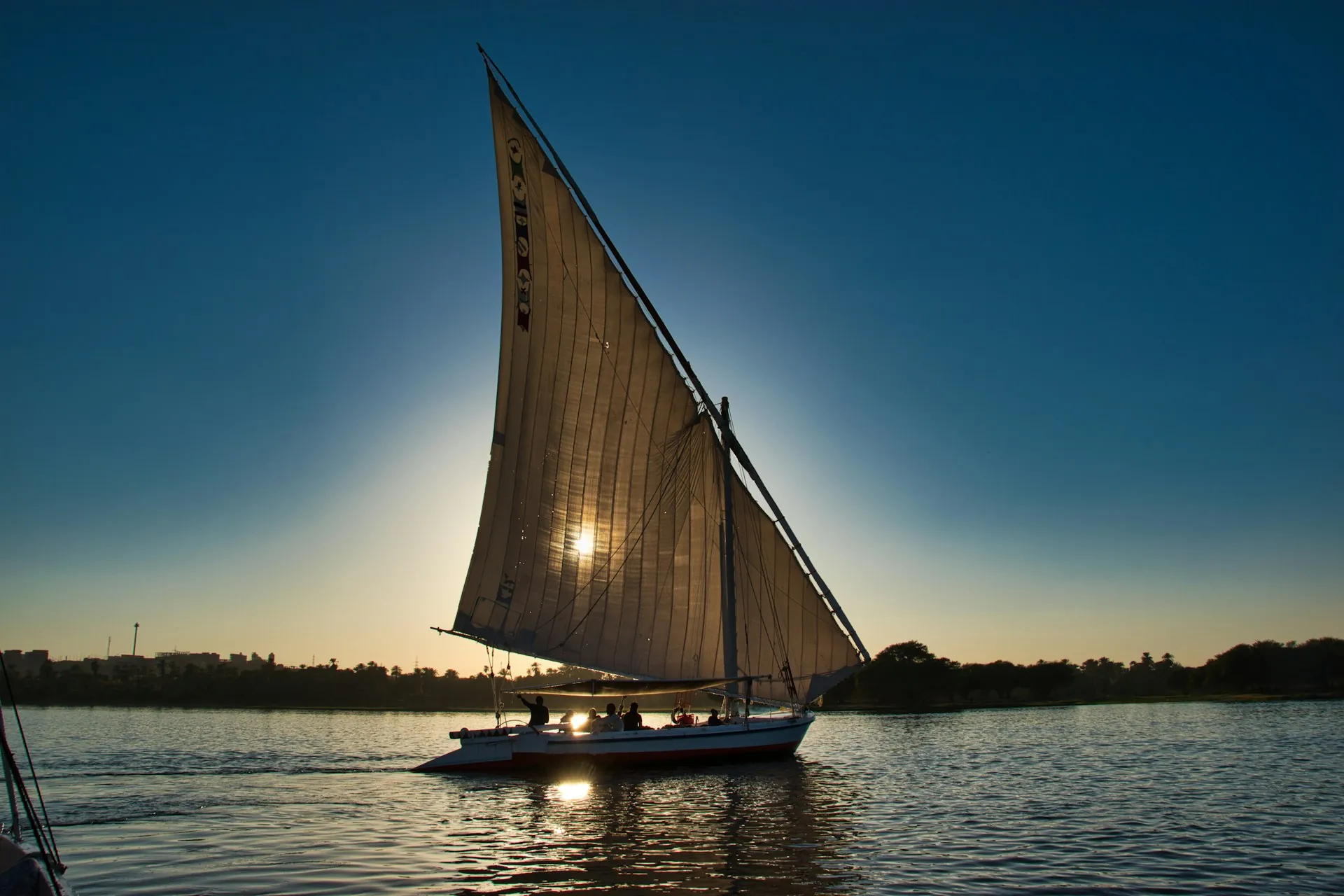
Kom Ombo serves as a crucial, enriching stop within any classic Egypt program, especially for those featuring a Nile River cruise. It breaks up longer journeys between Luxor and Aswan, offering a distinct cultural highlight without requiring an overnight stay. Tour operators looking to provide a comprehensive historical overview of Ancient Egypt will find its unique temple dedicated to two gods a valuable addition, enhancing the narrative of riverine civilization. It's a natural fit for programs like the Luxury Egypt: Cairo & Premium Nile Cruise or more immersive journeys such as Grand Egypt by Dahabiya, providing a well-rounded experience alongside other iconic sites in Egypt.
Priority Sights
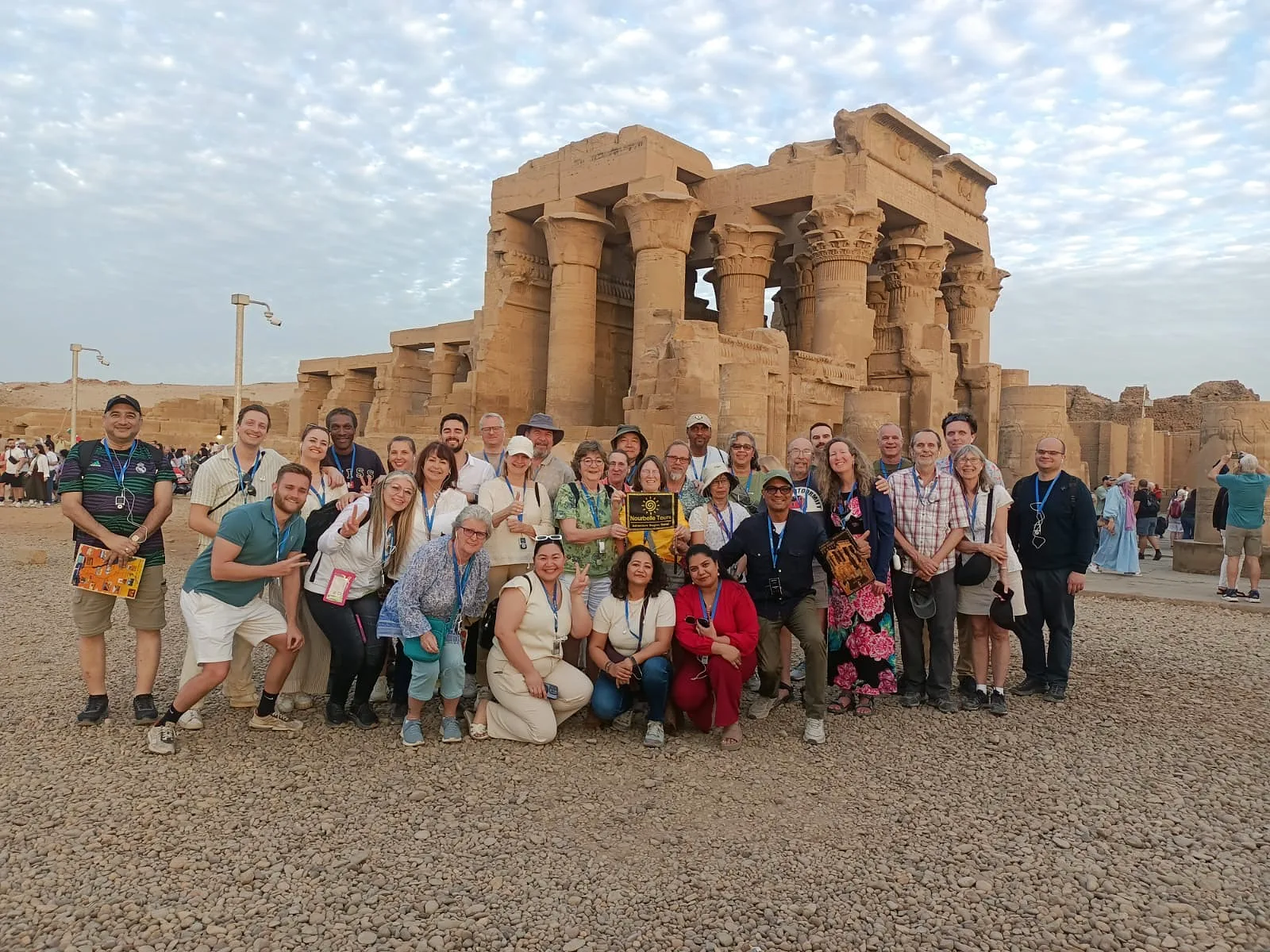
- Temple of Kom Ombo: This extraordinary double temple is dedicated to two distinct deities, Sobek (the crocodile god) and Horus the Elder (Haroeris). Its symmetrical design, with two parallel sanctuaries, halls, and entrances, is unique in Egypt.
- Nilometer: An ancient device used to measure the Nile's water level for agricultural purposes, located within the temple complex.
- Medical Instruments Carvings: Intricate reliefs depicting ancient surgical tools and medical practices, offering a fascinating glimpse into Egyptian medicine.
- Crocodile Mummies: Displayed in a small museum adjacent to the temple, these mummified crocodiles highlight the reverence for Sobek.
- Calendar of Feasts: Hieroglyphs detailing the ancient Egyptian calendar and religious festivals.
Suggested Allocation and Seasonality
Kom Ombo is exclusively a daytime cruise stop, typically lasting 1.5 to 2 hours for a guided visit to the temple and museum. There is no infrastructure for overnight stays, and it would not align with typical program flow to include one. The ideal visiting season aligns with the general Egypt travel season, from October to April, when temperatures are most comfortable for exploring outdoor sites. During the hotter months of May to September, early morning or late afternoon visits are preferable to avoid the peak heat, though Nile cruises generally manage timings well. This stop is consistently included in almost all classic Nile itineraries, often visited en route between Aswan and Edfu or vice-versa.
Operations Notes for Groups
Access to the Temple of Kom Ombo is straightforward, as cruise ships dock directly beside the temple, making it easily walkable for groups of all mobilities. The site is relatively compact, allowing for efficient guided tours. Tour leaders should be aware that the area immediately surrounding the temple can be busy with local vendors upon disembarkation; managing group flow and maintaining clear communication is key. Lighting at the temple, especially after dusk, enhances its dramatic appearance for evening visits, which some cruises offer. We advise preparing guests for potential sun exposure during daytime visits. For multi-country itineraries, such as an Egypt, Jordan & Morocco Grand Journey, ensure Kom Ombo’s visit is seamlessly integrated into the Egypt segment without impacting subsequent travel. For any specific operational requirements or to request a quote, please contact our team.