
Destination
Morocco
Explore Morocco with practical planning notes, local context and the sights that make this stop worth adding to a wider Morocco itinerary.
Quick answer
Tour operators should position Morocco as a standalone cultural deep-dive, an exotic add-on to European itineraries, or integrated into a multi-country MENA program, leveraging its diverse landscapes from imperial cities to the Sahara.
Key facts
- Location: North Africa, bordering the Atlantic Ocean and Mediterranean Sea, with a strong cultural connection to Europe and the Middle East.
- Nearest Airport/Access: Major international gateways include Casablanca (CMN), Marrakech (RAK), and Fez (FEZ), offering direct flights from Europe, North America, and the Middle East.
- Suggested Nights: 7-14 nights for a comprehensive experience, covering imperial cities, Atlas Mountains, and Sahara Desert.
- Best Season: Spring (March-May) and Autumn (September-November) for comfortable temperatures across all regions; winter is mild in the south but cooler in the north.
- Key Sights: Imperial Cities (Marrakech, Fes, Meknes, Rabat), Sahara Desert (Merzouga, Erg Chebbi), Atlas Mountains, coastal towns (Essaouira).
Role in a Program
Morocco offers a captivating blend of ancient history, vibrant culture, diverse landscapes, and warm hospitality, making it an ideal destination for various B2B program types. It can stand alone as a rich, immersive cultural journey, perfect for clients seeking authentic experiences. Alternatively, its accessibility from Europe positions it as an excellent extension for broader European itineraries. For those interested in the wider region, Morocco can be seamlessly combined with programs in Egypt and Jordan, creating an expansive Egypt, Jordan & Morocco Grand Journey that showcases the breadth of North African and Middle Eastern heritage. Its distinct appeal, from bustling souks to tranquil desertscapes, ensures a memorable and impactful offering for discerning travelers looking for a destination rich in sensory experiences and historical depth.
Priority Sights
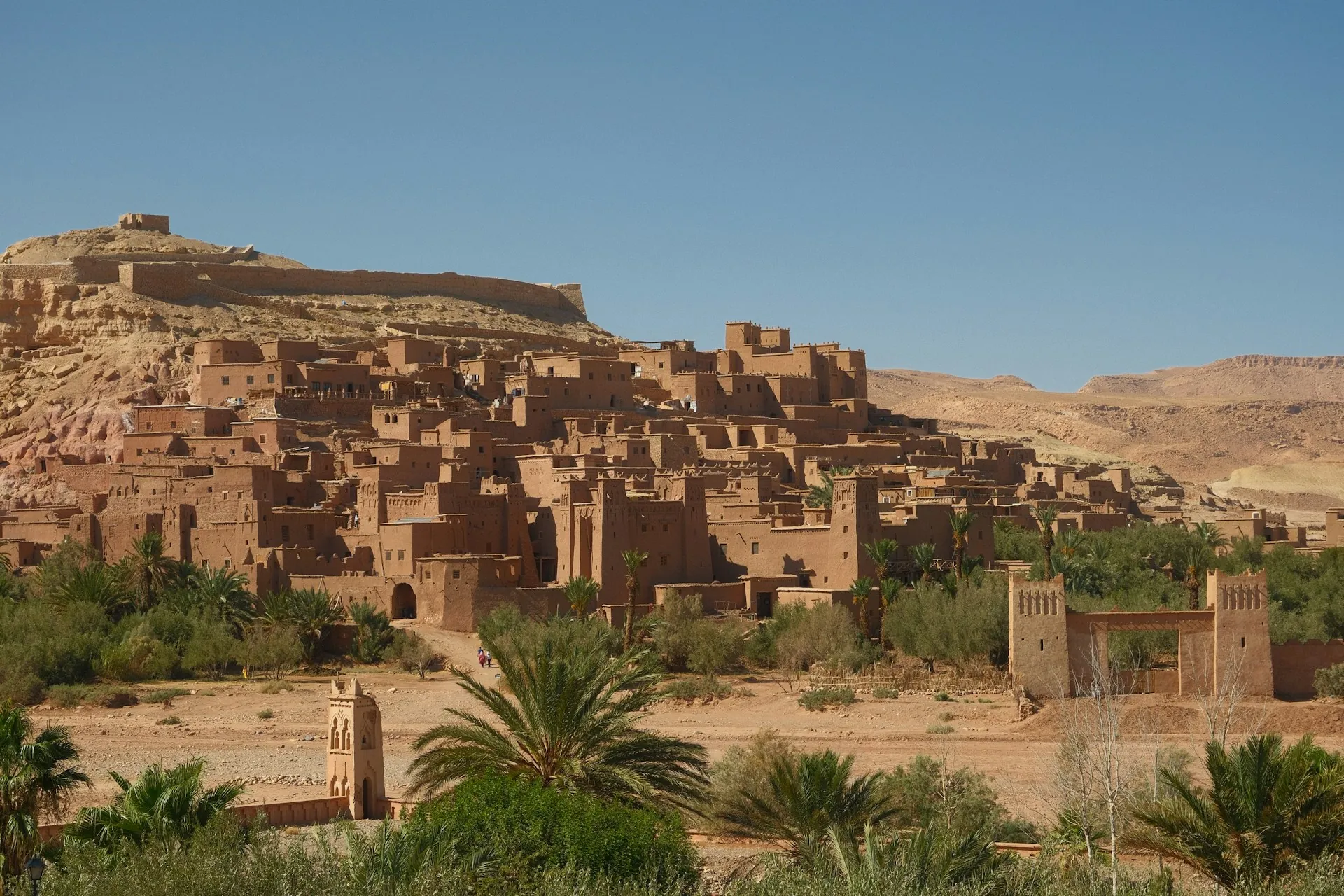
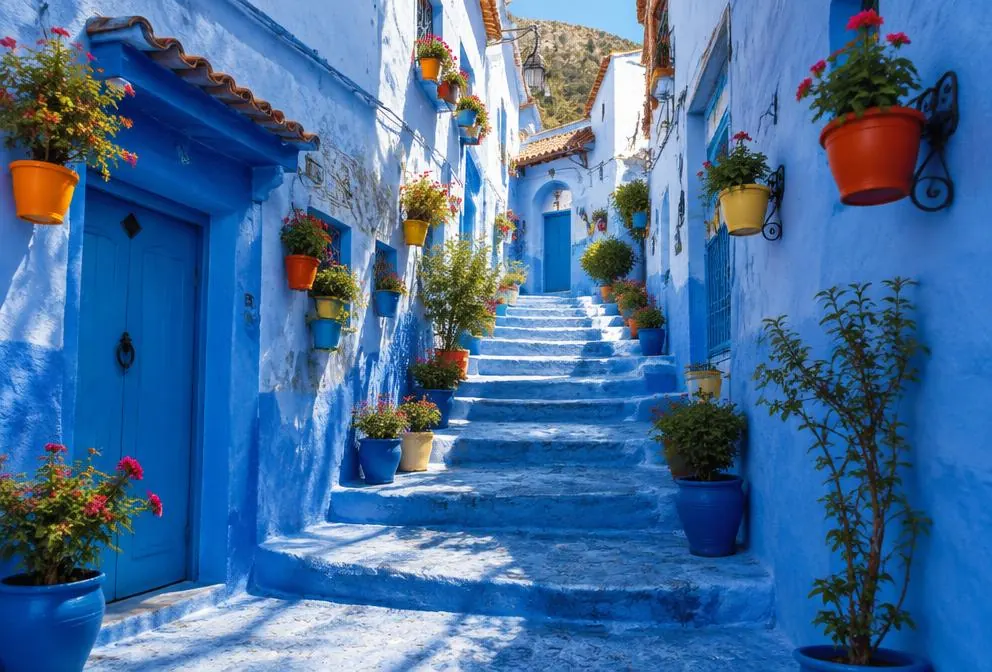
Morocco boasts an array of iconic sites that should form the core of any itinerary: * Marrakech: The 'Red City' is a sensory explosion, from the Jemaa el-Fna square to the Bahia Palace. Detailed insights can be found in our Marrakech destination guide. * Fez: Home to the world's oldest university and an incredibly well-preserved medina, offering an authentic glimpse into medieval life. Explore further with our Fez destination guide. * Sahara Desert: An essential experience, typically accessed via Erg Chebbi, offering camel treks and overnight stays in Berber camps under star-filled skies. * Ait Ben Haddou: A UNESCO World Heritage site and a striking ksar (fortified village), offering cinematic views and historical intrigue. Learn more about Ait Ben Haddou & Ouarzazate. * Casablanca: Often the entry point, featuring the impressive Hassan II Mosque, a symbol of modern Morocco. Our Casablanca destination guide offers more information. * Chefchaouen: The stunning 'Blue City' nestled in the Rif Mountains, renowned for its picturesque streets and relaxed atmosphere.
Suggested Allocation and Seasonality
For a comprehensive Moroccan program, we generally recommend 7 to 14 nights. A 9-night program, such as the Morocco: Imperial Cities & Sahara journey, allows for exploration of Marrakech, Fes, and the Sahara. Spring (March to May) and Autumn (September to November) are universally the best times to visit, providing pleasant temperatures for touring the imperial cities, trekking in the Atlas Mountains, and experiencing the Sahara. Winter (December to February) is mild in the south, suitable for desert and southern city visits, though cooler in the north. Summer (June to August) can be very hot, especially inland and in the desert, but coastal areas remain enjoyable.
Operations Notes for Groups
When planning group programs for Morocco, consider the unique logistical aspects. Ground transportation is typically handled by modern, air-conditioned vehicles and experienced drivers. Local guides, fluent in relevant languages, are essential for navigating medinas and historical sites, providing cultural context. Meals often include a mix of traditional Moroccan cuisine at local restaurants and hotel dining. For multi-day Sahara expeditions, ensure detailed briefing on what to expect for desert camps, including amenities and comfort levels. Connectivity can vary in remote areas, so manage client expectations regarding Wi-Fi and mobile service. For any bespoke group requests or specific client profiles, please do not hesitate to request a quote tailored to your needs.
Where can you go in Morocco?
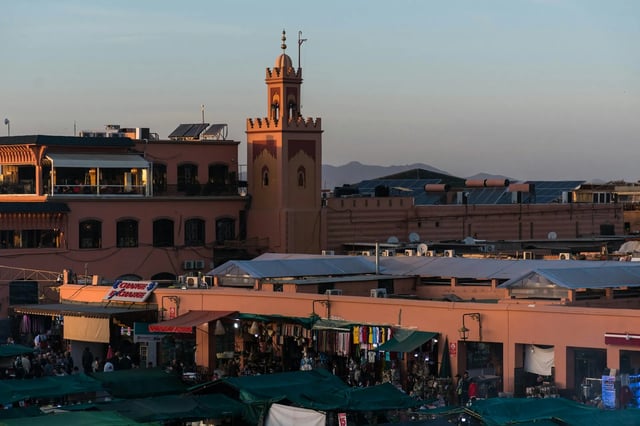 MarrakeshExplore Marrakesh with practical planning notes, local context and the sights that make this stop worth adding to a wider Morocco itinerary.
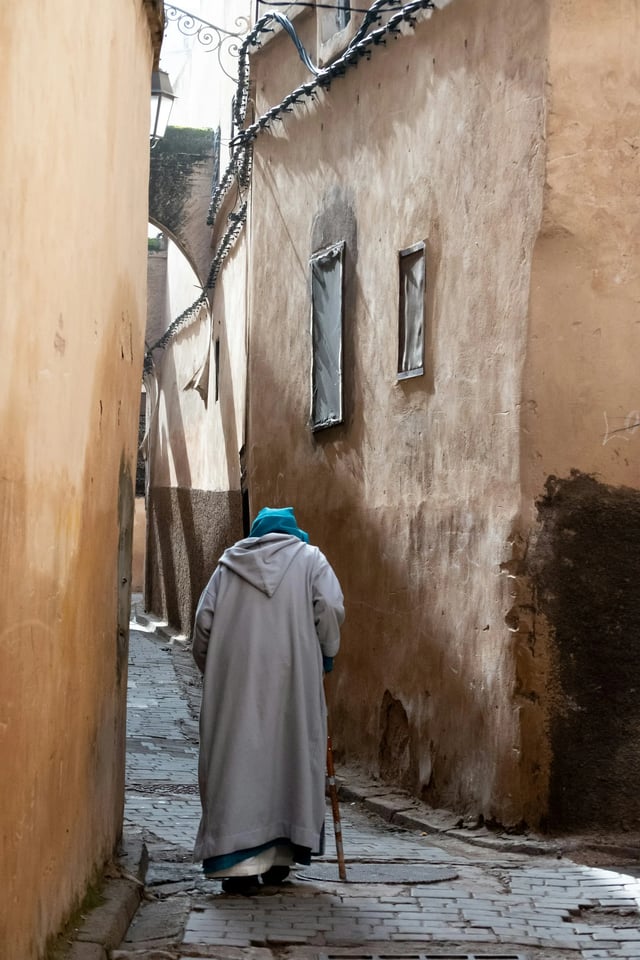 FezExplore Fez with practical planning notes, local context and the sights that make this stop worth adding to a wider Morocco itinerary.
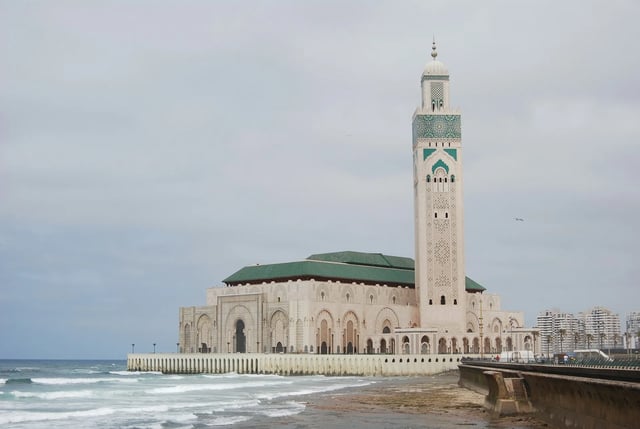 CasablancaExplore Casablanca with practical planning notes, local context and the sights that make this stop worth adding to a wider Morocco itinerary.
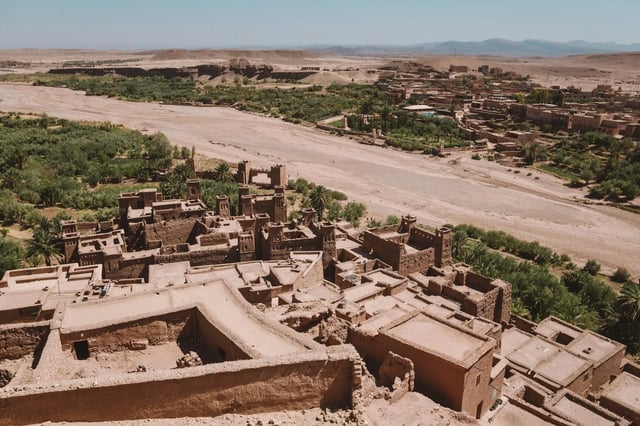 Ait Ben Haddou & OuarzazateExplore Ait Ben Haddou & Ouarzazate with practical planning notes, local context and the sights that make this stop worth adding to a wider Morocco itinerary.