Destination
Petra & Wadi Musa
Explore Petra as a complete archaeological destination, from the Siq and Treasury to longer walking routes, tombs and the wider Wadi Musa setting.
Quick answer
Integrate Petra & Wadi Musa as the central, iconic highlight of any Jordan itinerary, typically following Amman or Wadi Rum, easily accessible via Queen Alia International Airport or overland routes from Israel.
Key facts
- Location: Southern Jordan, in the Ma'an Governorate.
- Nearest Airport/Access: Queen Alia International Airport (AMM) near Amman (approx. 3-hour drive); Aqaba (AQJ) is an alternative.
- Suggested Nights: 1-2 nights, allowing for a full day of exploration within Petra.
- Best Season: Spring (March-May) and Autumn (September-November) for temperate weather.
- Key Sights: The Treasury (Al-Khazneh), The Monastery (Ad Deir), Siq, Royal Tombs, Street of Facades.
Role in a Jordan Program
Petra & Wadi Musa serves as the indelible centerpiece for any Jordan itinerary. For tour operators, it’s the primary draw that anchors multi-day excursions, whether as part of a dedicated Jordan Essentials: Amman, Petra & Wadi Rum package or a longer regional journey like Egypt & Jordan: Pyramids to Petra or even a grand Egypt, Jordan & Morocco Grand Journey. It offers distinct historical depth and UNESCO World Heritage status, providing a significant selling point for cultural and adventure travel segments.
Priority Sights to Include
To ensure client satisfaction and comprehensive coverage, focus on these key sites within Petra:
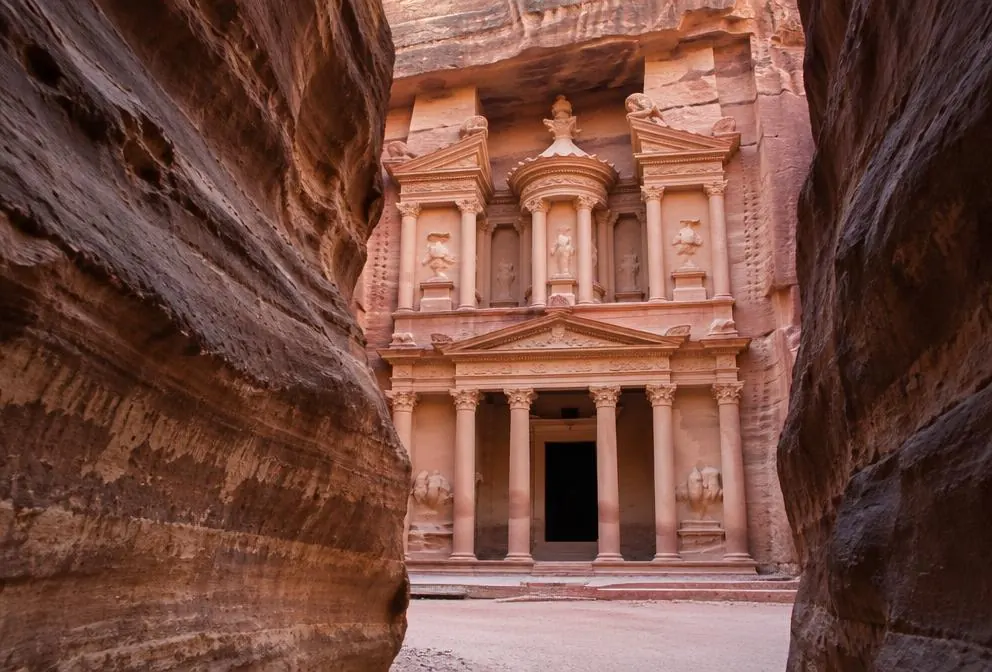
- The Siq: The dramatic, winding canyon entrance setting the tone for the ancient city.
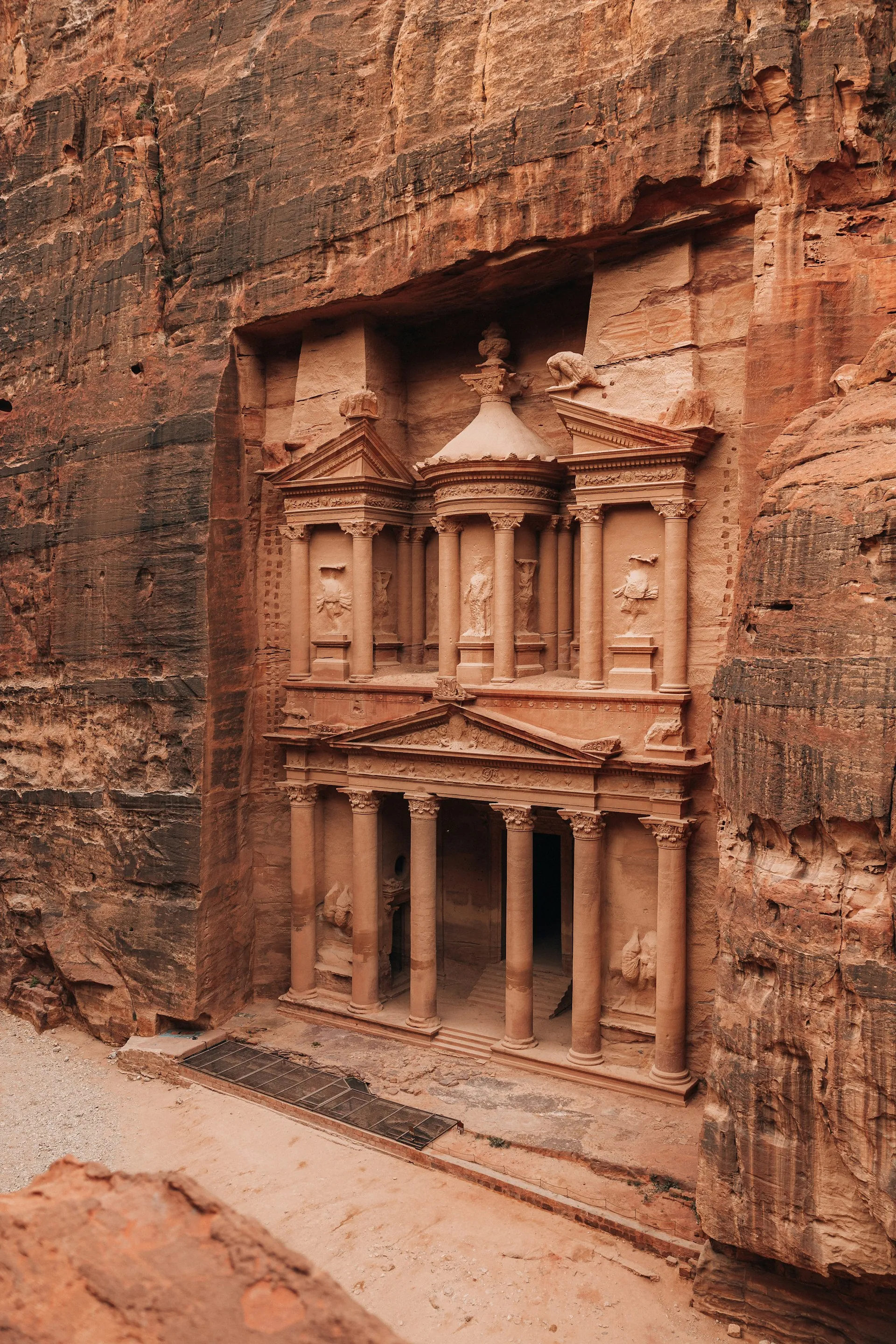
- The Treasury (Al-Khazneh): Petra's most iconic facade, usually the first major structure revealed.
- Street of Facades and Royal Tombs: A series of monumental tombs carved into the cliff face, showcasing Nabataean artistry.
- The Colonnaded Street and Great Temple: Remnants of the city's Roman influence and grandeur.
- The Monastery (Ad Deir): A challenging climb rewarded with panoramic views and a colossal, well-preserved monument.
- Petra by Night: An optional, popular evening experience illuminating key areas by candlelight on specific days.
Suggested Allocation and Seasonality
A minimum of one full day is essential for exploring the main trails of Petra, making a 1-night stay in Wadi Musa the standard. For a more in-depth experience, including a hike to The Monastery or High Place of Sacrifice, a 2-night stay is recommended, allowing for varied exploration paced over two days. The shoulder seasons of spring (March to May) and autumn (September to November) offer the most comfortable temperatures for extended walking and exploration. Summer (June to August) can be very hot, while winter (December to February) can bring cooler temperatures and occasional rain, though tourist numbers are lower.
Operations Notes for Groups
When planning for groups, consider the varying fitness levels required for Petra’s extensive walking trails. Options for horse, donkey, and camel rides are available within the site but should be pre-arranged or advised upon due to local vendor variations. Essential provisions include ample water, comfortable walking shoes, and sun protection. While guides are mandatory within Petra, their narratives greatly enhance the experience. Group logistics, such as meeting points and timings, need clear communication. Dietary requirements in Wadi Musa's accommodations are generally manageable. For seamless coordination and tailored group experiences, request a quote from our ground operations team.
FAQs