
Destination
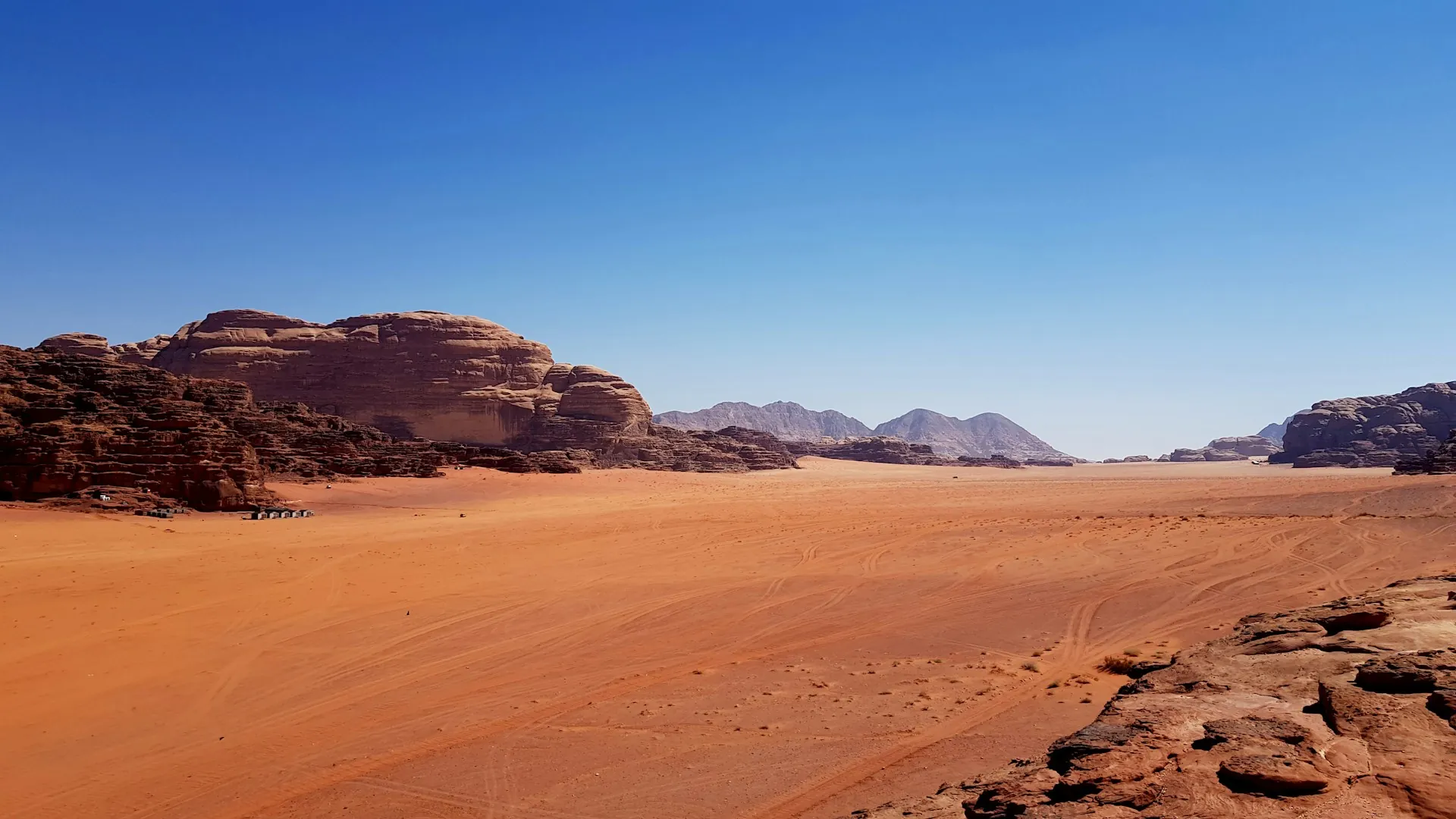
Wadi Rum
Explore Wadi Rum with practical planning notes, local context and the sights that make this stop worth adding to a wider Jordan itinerary.
Quick answer
Integrate Wadi Rum as a unique overnight desert experience within multi-day Jordan itineraries, typically following Petra, to offer a contrasting landscape and cultural immersion before departure or further travel.
Key facts
- Location: Southern Jordan, vast desert valley.
- Nearest Airport/Access: Aqaba (AQJ) ~1-hour drive; Amman (AMM) ~4-hour drive.
- Suggested Nights: 1-2 nights for a comprehensive experience.
- Best Season: Spring (March-May) & Autumn (September-November) for mild weather.
- Key Sights: Lawrence's Spring, Burdah Rock Bridge, Al Ramal (red) Dune, Khazali Canyon.
Role in a Jordan Program
Wadi Rum, the 'Valley of the Moon,' serves as an essential and impactful component of any Jordan itinerary, offering a stark yet beautiful contrast to the historical sites and urban centres. For trade buyers looking to craft comprehensive programs, it is an ideal location to follow a visit to Petra & Wadi Musa, providing a profound shift from ancient ruins to an otherworldly desert landscape. This destination is perfectly suited for clients seeking unique cultural immersion, soft adventure, and stunning natural beauty. It enriches offerings like the Jordan Essentials: Amman, Petra & Wadi Rum and provides a memorable highlight for those on extended journeys such as Egypt & Jordan: Pyramids to Petra or the extensive Egypt, Jordan & Morocco Grand Journey.
Priority Sights
- Lawrence's Spring (Ain Abu Aineh): A historic natural spring offering panoramic views, associated with T.E. Lawrence.
- Burdah Rock Bridge: One of the most iconic natural arches, accessible via a challenging climb for adventurous groups or viewed from below.
- Al Ramal (Red) Dune: A striking expanse of deep red sand, popular for climbing and sandboarding.
- Khazali Canyon: Features ancient Nabataean and Thamudic inscriptions and petroglyphs on its walls.
- Um Fassi Rock Inscriptions: Further evidence of ancient civilizations in the area.
- Seven Pillars of Wisdom: A monumental rock formation, lending its name from Lawrence's book.
Suggested Allocation and Seasonality
A one-night stay is standard for most tour operators, allowing for an afternoon jeep safari, a traditional Bedouin dinner, and an evening under the stars. For a deeper dive into the desert's magic and more extensive exploration, including hiking or stargazing, two nights are highly recommended. The optimal seasons are spring (March to May) and autumn (September to November), when temperatures are pleasant for daytime activities. Summer (June to August) can be very hot, while winter (December to February) can be cold, especially at night, though the daytime weather is often clear and crisp.
Operations Notes for Groups
Logistics in Wadi Rum require careful planning due to its protected area status. Group transfers into the desert are typically managed by local Bedouin 4x4 vehicles from the Wadi Rum Visitor Centre, where clients transition from their main coaches. Accommodation ranges from basic Bedouin camps to luxury glamping experiences, all offering unique desert stays. Camps generally provide a communal dining area and basic facilities. It is crucial to brief clients on appropriate attire, particularly for evening temperatures, and the importance of respecting local customs and the pristine environment. Ensure clear communication with camp operators regarding meal preferences and group sizes. For any specific requirements or to request a quote for your groups, Nourbelle DMC is ready to assist in crafting seamless desert experiences within your broader Jordan programs, including extensions to Jerash or Madaba & Mount Nebo.