
Destination
Jerash
Explore Jerash with practical planning notes, local context and the sights that make this stop worth adding to a wider Jordan itinerary.
Quick answer
Tour operators should integrate Jerash as a half-day excursion from Amman, ideally as part of a classic Jordan itinerary, focusing on its remarkably preserved Roman ruins for a rich historical and cultural experience.
Key facts
- Location: Northern Jordan, 48 km north of Amman.
- Nearest Airport/Access: Queen Alia International Airport (AMM), then 1-hour drive.
- Suggested Nights: Typically a half-day visit, no overnight stay in Jerash itself.
- Best Season: Spring (March-May) and Autumn (September-November) for pleasant weather.
- Key Sights: Hadrian's Arch, Oval Plaza, Cardo Maximus, South Theatre.
Jerash's Role in a Jordan Program
Jerash serves as a compelling half-day or three-quarter-day cultural excursion, easily paired with other sites or forming part of a longer itinerary. It's often included in comprehensive Jordan programs, offering a vivid contrast to the Nabataean wonders of Petra & Wadi Musa and the desert landscapes of Wadi Rum. Its proximity to Amman makes it a logistical gem for day trips, enhancing programs like "Jordan Essentials: Amman, Petra & Wadi Rum" or even multi-country offerings such as "Egypt & Jordan: Pyramids to Petra" and "Egypt, Jordan & Morocco Grand Journey". It's a key inclusion for clients interested in ancient history beyond the more famous sites.
Priority Sights within Jerash
- Hadrian's Arch: A monumental gateway marking the city's entrance, built to honor Emperor Hadrian's visit.
- Hippodrome: A large stadium for chariot races and gladiatorial contests, often featuring re-enactments.
- Oval Plaza: A unique, expansive public space with surrounding Ionic columns, leading to the Cardo Maximus.
- Cardo Maximus: The main colonnaded street of the ancient city, stretching for 800 meters.
- South Theatre: A remarkably preserved Roman theatre, known for its acoustics and capacity to hold thousands.
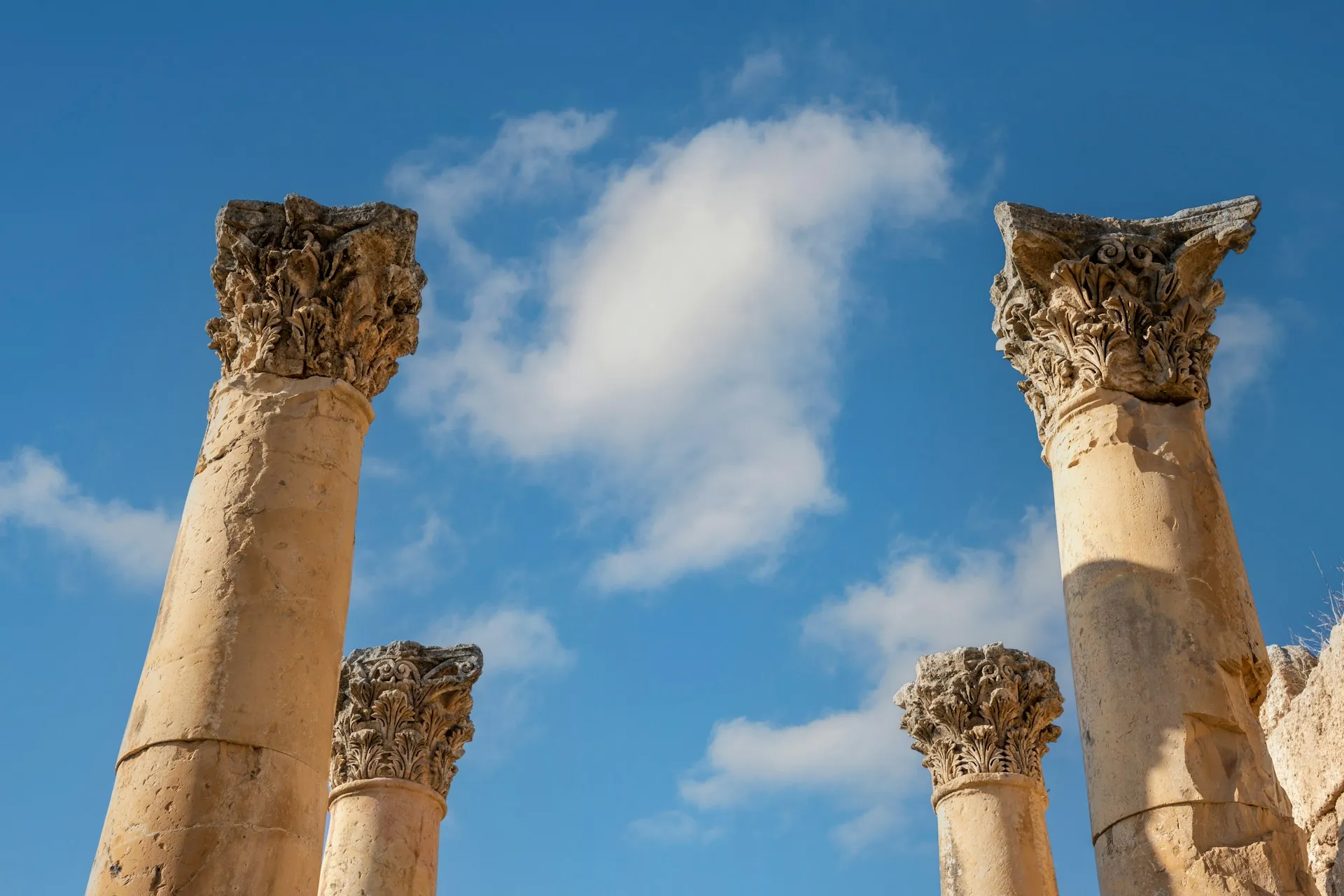
- Temple of Artemis: Dedicated to the patron goddess of the city, its towering columns are a prominent landmark.
Suggested Allocation and Seasonality
Allocate approximately 3-4 hours for a thorough exploration of the Jerash archaeological site, excluding travel time from Amman. This allows ample time for guided commentary and photo opportunities. Jerash is best visited during the shoulder seasons of spring (March-May) and autumn (September-November) when temperatures are mild and conducive to extensive walking. Summer (June-August) can be very hot, necessitating early morning visits, while winter (December-February) can bring rain and cooler temperatures, though the site remains accessible. Combining Jerash with a visit to Ajloun Castle or Madaba & Mount Nebo on the same day is a popular and efficient itinerary option.
Operations Notes for Groups
Jerash is a significant walking site, often involving uneven ancient paths and steps. Comfortable footwear is essential for all group members. We recommend providing adequate water, especially during warmer months. The site is well-equipped with visitor facilities, including restrooms and shaded areas. Local, certified guides are crucial for bringing the history to life. Vehicle access is typically to a central parking area, with groups then proceeding on foot. For large groups, pre-booking guide services and coordinating arrival times helps ensure a smooth experience. Please request a quote for tailored group arrangements and logistical support.