Destination
Alexandria
Explore Alexandria with practical planning notes, local context and the sights that make this stop worth adding to a wider Egypt itinerary.
Quick answer
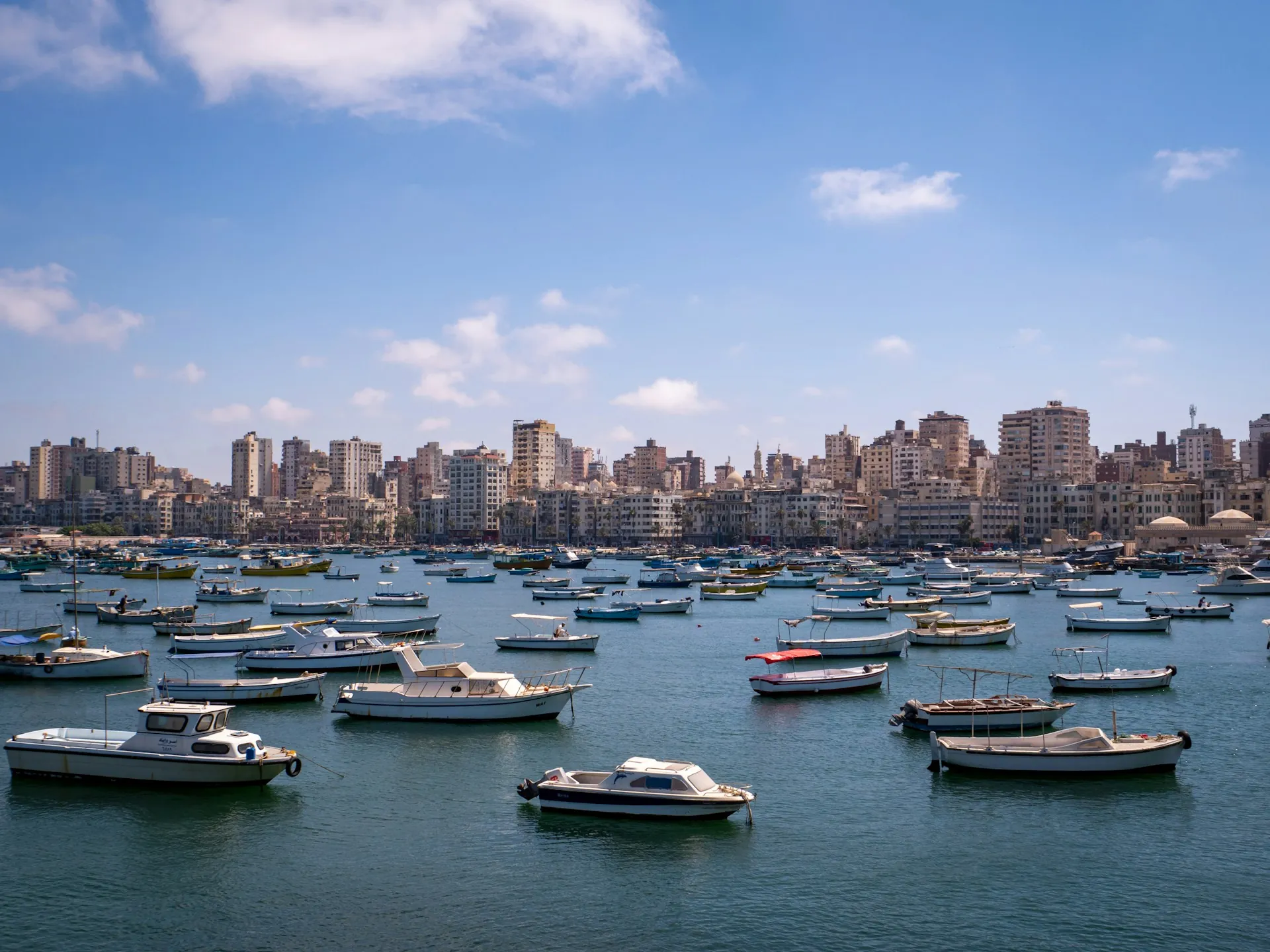
Alexandria serves as an ideal two-day extension to a primary [Egypt](https://nourbelle-dmc.com/destinations/egypt) itinerary, offering a distinct cultural and historical contrast to ancient sites, perfect for groups interested in Hellenistic and Roman heritage alongside modern Egyptian life.
Key facts
- Location: On the Mediterranean coast of Egypt, approx. 220 km (137 miles) northwest of Cairo.
- Nearest Airport/Access: Borg El Arab Airport (HBE) for some international flights, or via a 2.5-3 hour road transfer from [Cairo](https://nourbelle-dmc.com/destinations/egypt/cairo) International Airport (CAI).
- Suggested Nights: 1-2 nights for a comprehensive visit.
- Best Season: October to April, avoiding the peak summer heat and humidity.
- Key Sights: Bibliotheca Alexandrina, Catacombs of Kom El Shoqafa, Citadel of Qaitbay, Pompey's Pillar.
Role in an Egypt Program
Alexandria offers a unique historical and cultural dimension that complements traditional Egypt itineraries focused on pharaonic wonders. Often positioned as a northern extension or an alternative to other classical routes, it caters to clients seeking a different perspective on Egyptian history, specifically its Hellenistic, Roman, and Coptic influences. This coastal city provides a refreshing change of pace from the desert landscapes and Nile-centric experiences found further south in destinations like Luxor, enriching the overall program by showcasing Egypt's diverse heritage. It’s particularly appealing to cultural groups, educational tours, or clients with an interest in classical antiquity.
Priority Sights for Trade
- Bibliotheca Alexandrina: A striking modern architectural marvel commemorating the ancient Library of Alexandria, serving as a major cultural and research institution today. A guided tour highlights its design and mission.
- Catacombs of Kom El Shoqafa: A fascinating necropolis blending Pharaonic, Greek, and Roman artistic styles, providing a deep dive into ancient Alexandrian burial practices and syncretic culture.
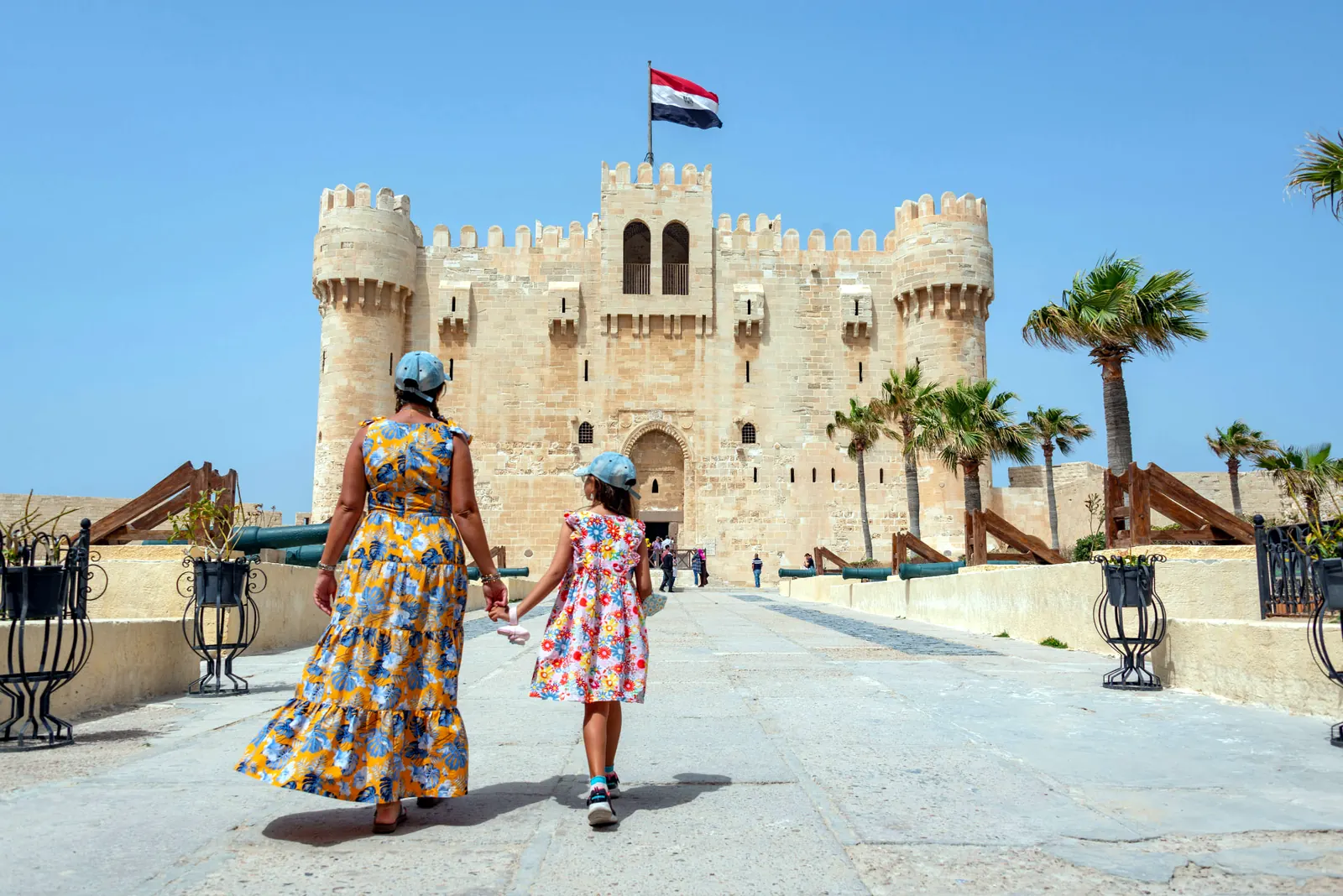
- Citadel of Qaitbay: A 15th-century defensive fortress built on the site of the ancient Lighthouse of Alexandria, offering panoramic sea views and historical insights into Alexandria's strategic importance.
- Pompey's Pillar & the Serapeum: A colossal Roman column, the largest monolithic column ever erected outside of Rome, standing amidst the ruins of the Serapeum, a temple dedicated to the god Serapis.
- Roman Amphitheater (Kom el-Dikka): The only known Roman amphitheater in Egypt, revealing insights into the daily life and entertainment of ancient Alexandria, alongside well-preserved Roman baths and villas.
- Montaza Palace Gardens: The former royal gardens of King Farouk, offering a beautiful respite with lush greenery, scenic walkways, and views of Montaza Palace, perfect for a leisurely stroll.
Suggested Allocation and Seasonality
A typical allocation for Alexandria is 1 to 2 nights, generally following a Cairo and Giza program. A full day of touring allows for a comprehensive visit to the key sites. Two nights provide a more relaxed pace, allowing for deeper exploration or additional themed interests such as Coptic churches or local markets. The optimal season for visiting Alexandria is from October to April. During these months, the Mediterranean climate is mild and pleasant, ideal for sightseeing. The summer months (June-August) are characterized by high temperatures and humidity, which can be less comfortable for extended outdoor activities. Shoulder seasons (May, September) offer a good balance of pleasant weather and fewer crowds.
Operations Notes for Groups
For group movements, efficient transfer management is crucial. The primary access point is typically via a 2.5-3 hour coach transfer from Cairo International Airport (CAI), or from hotels in the greater Cairo area. Road conditions are generally good, but traffic, especially around Cairo, can impact journey times; always build in buffers. We work with a vetted network of local guides who are experts in Alexandrian history, fluent in multiple languages, and skilled in managing group dynamics. Meal arrangements can range from hotel-based dining to local restaurants offering fresh Mediterranean cuisine. Ensure hotels selected are accustomed to group handling, offer convenient coach access, and meet trade-standard amenities. Custom itineraries and specific requests can be tailored; please request a quote for bespoke program development.